Full-Service Interior Renovations
Interior Renovations Built Around How You Live & Work
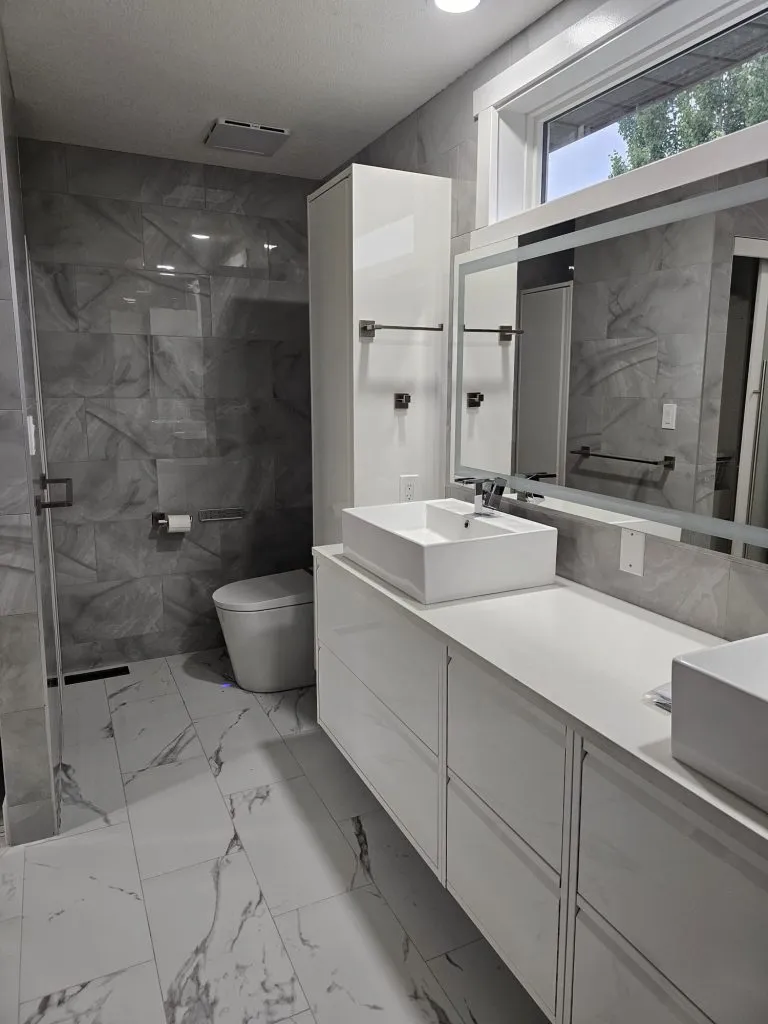
From home offices and retail spaces to garages, foyers, and full interior upgrades, we design and build custom interior renovations that improve flow, function, and everyday comfort.
Serving Edmonton & Calgary Regions
One Team for Every Interior Transformation Possible
Interior renovations are about more than just new finishes — they’re about how spaces flow, function, and feel every day. At Renomazing, we specialize in transforming underperforming interiors into highly usable, well-designed environments for both homes and businesses. Whether you’re upgrading a home office, modernizing a retail space, rebuilding a garage interior, or redesigning your entryway, we manage the entire process with precision, transparency, and craftsmanship.
- Multi-space renovation expertise
- Structural & layout optimization
- Seamless residential + light commercial work
- Clean job sites & organized scheduling
- Code-compliant construction
Transform Your Home or Office Interior Now — With Flexible Financing
From open-concept layouts to updated flooring, lighting, and finishes, Renomazing’s financing options make it easier to modernize your interior without a large upfront investment. Enjoy the comfort, functionality, and style you want today, with payments made over time.
We're available: 9:00 am to 6:00 pm (MST)
Popular Interior Renovation Projects
Interior renovations come in many forms — and we design each one around how the space is actually used.

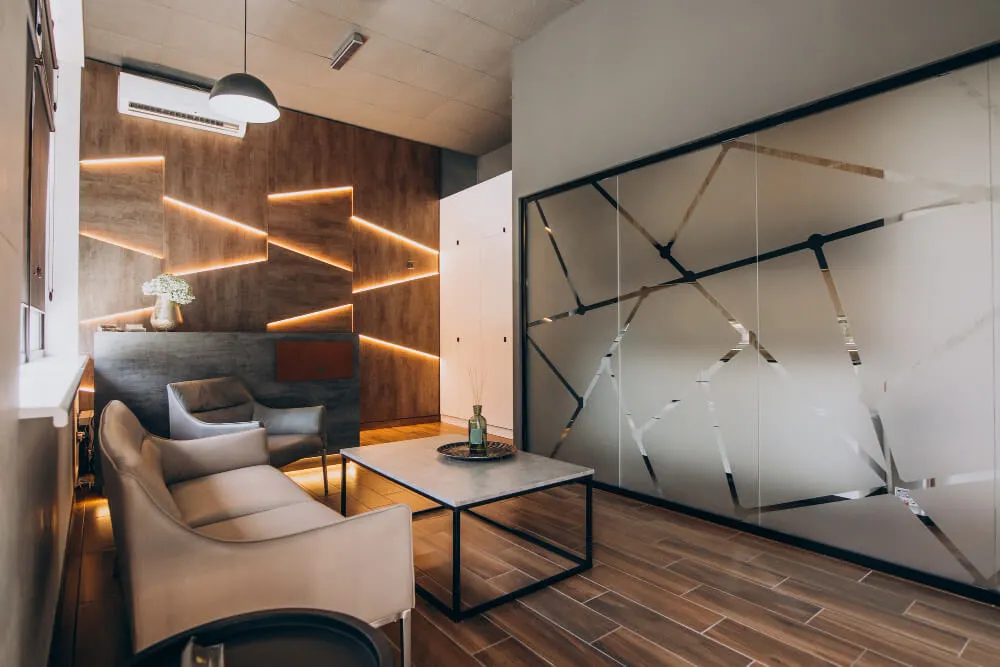
Home Office Renovations
Built-in desks, sound control, lighting upgrades, and smart layouts for productivity and comfort in work-from-home spaces.
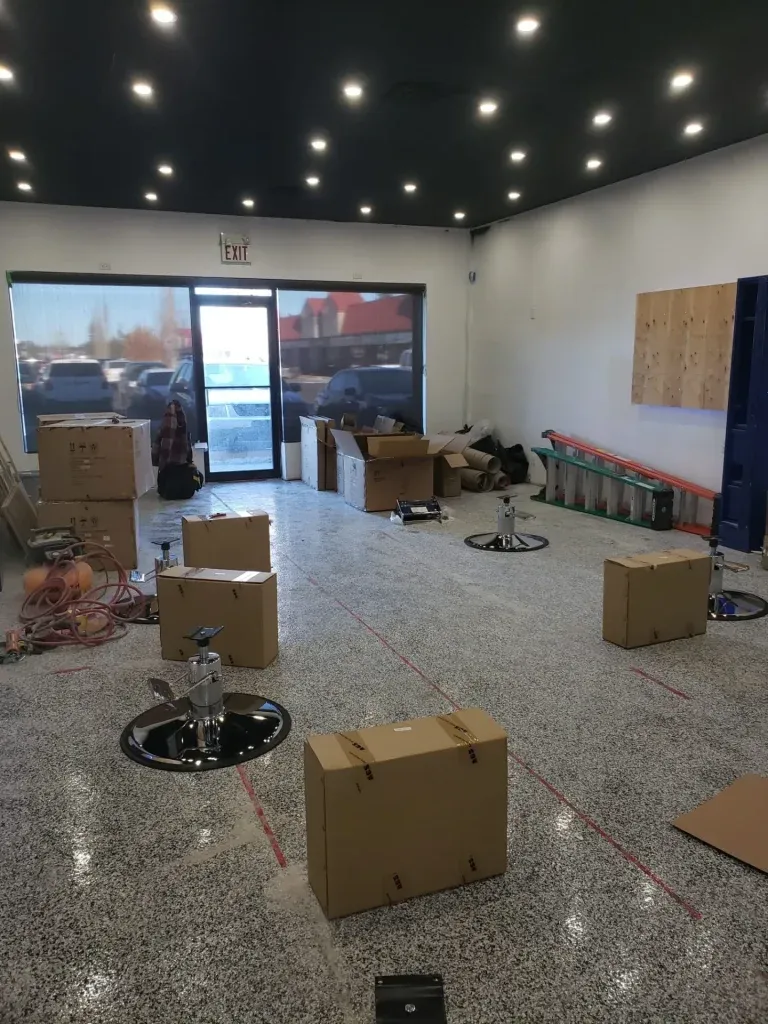
Retail & Commercial Interior Upgrades
Customer-focused layouts, modern finishes, improved lighting, and efficient workflows for small shops and businesses.
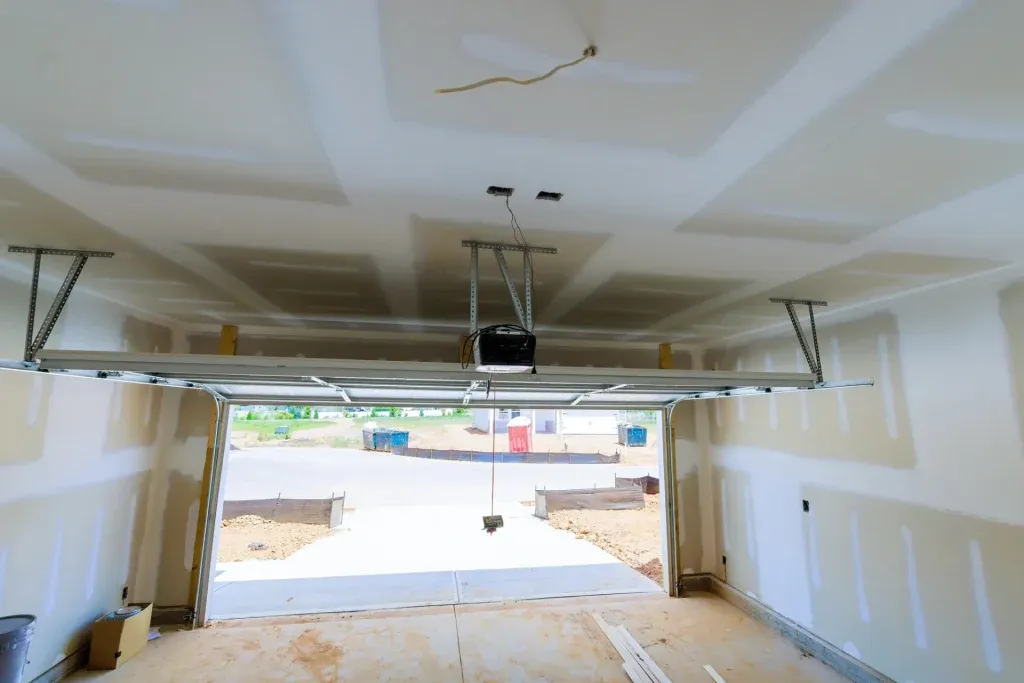
Garage Interior Renovations
Finished walls, insulation, flooring systems, workshops, storage builds, and heated garage conversions.
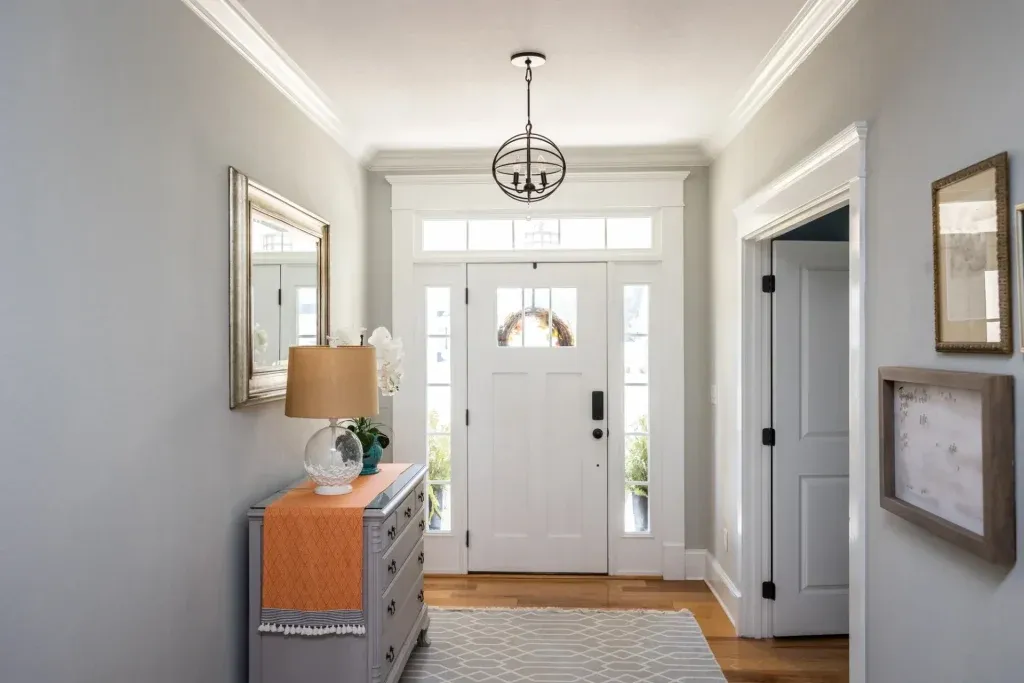
Foyers, Entryways & Hallways
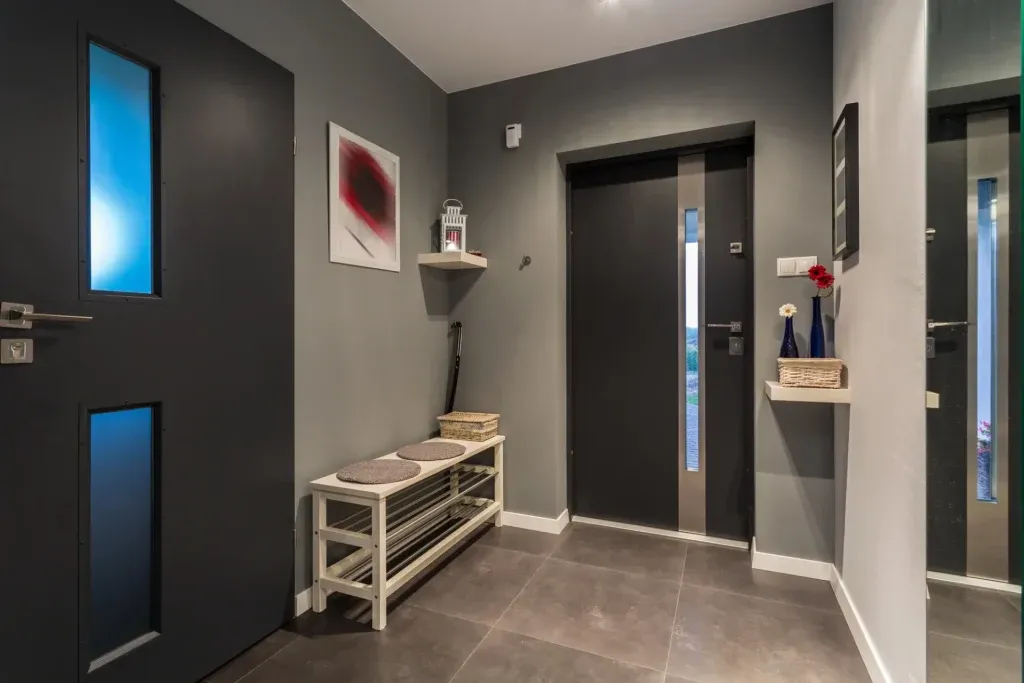
First impressions matter — we redesign entrances for better flow, storage, lighting, and visual impact.
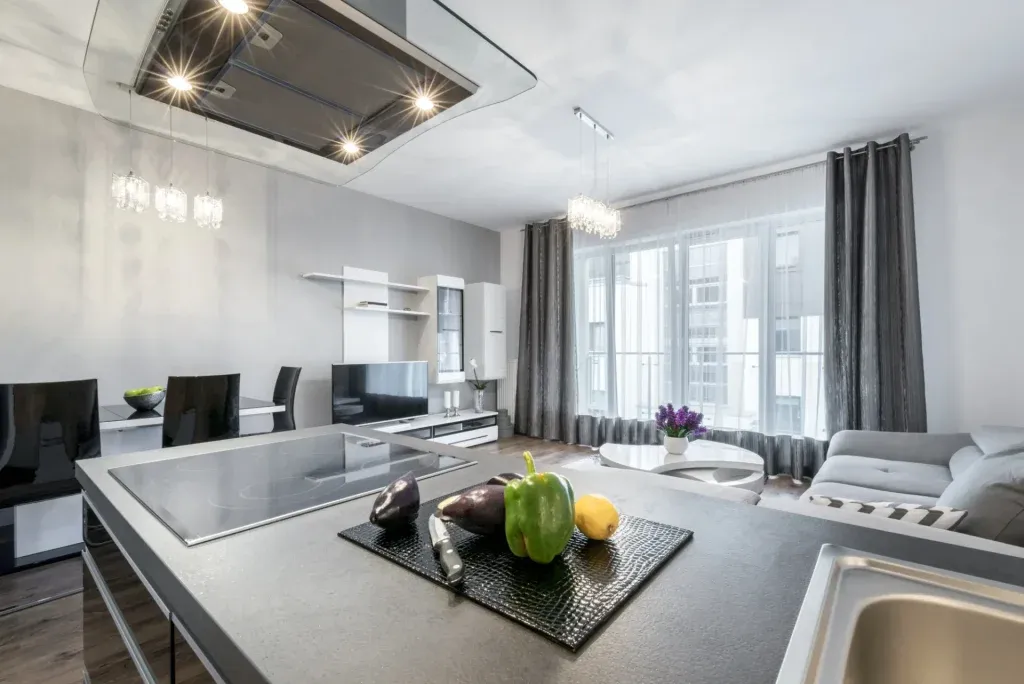
Living Rooms & Open Concept Conversions
Wall removals, ceiling treatments, lighting redesigns, and layout optimization to modernize your main living areas.
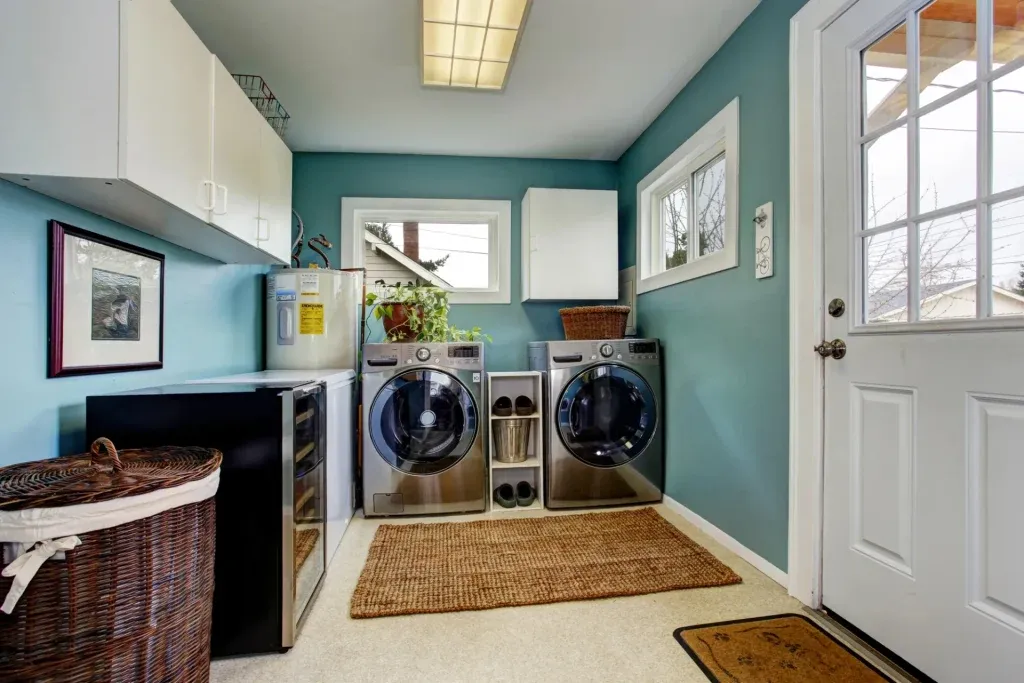
Laundry Rooms & Mudrooms
Storage-rich, moisture-resistant spaces built for daily use, organization, and durability.
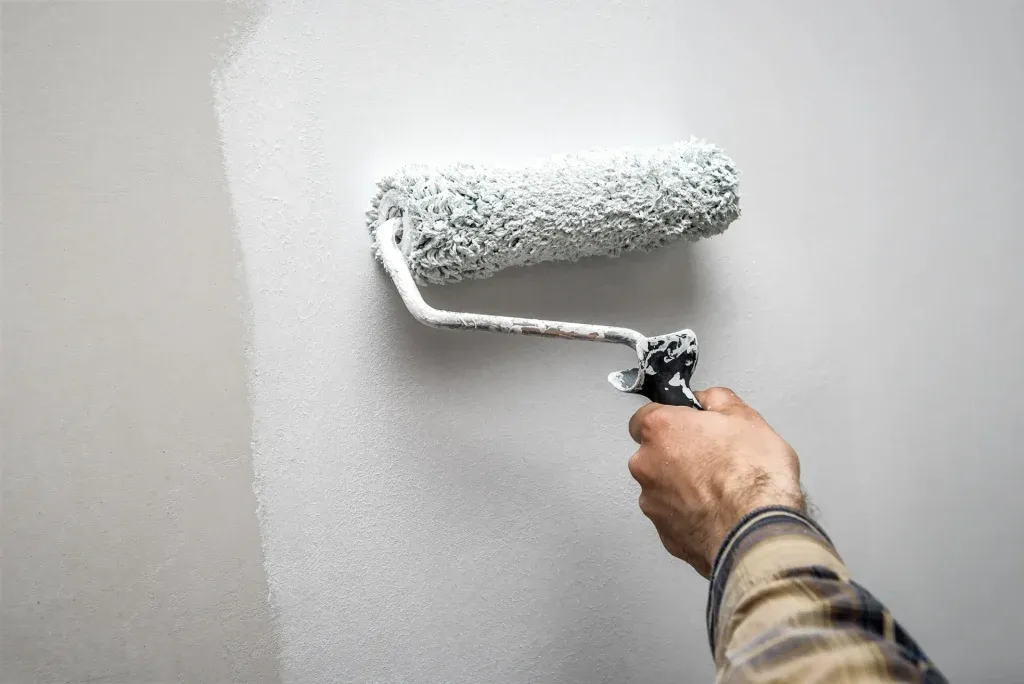
Tenant Improvements & Rental Turnovers
Fast, durable upgrades for landlords preparing rental units for new tenants.
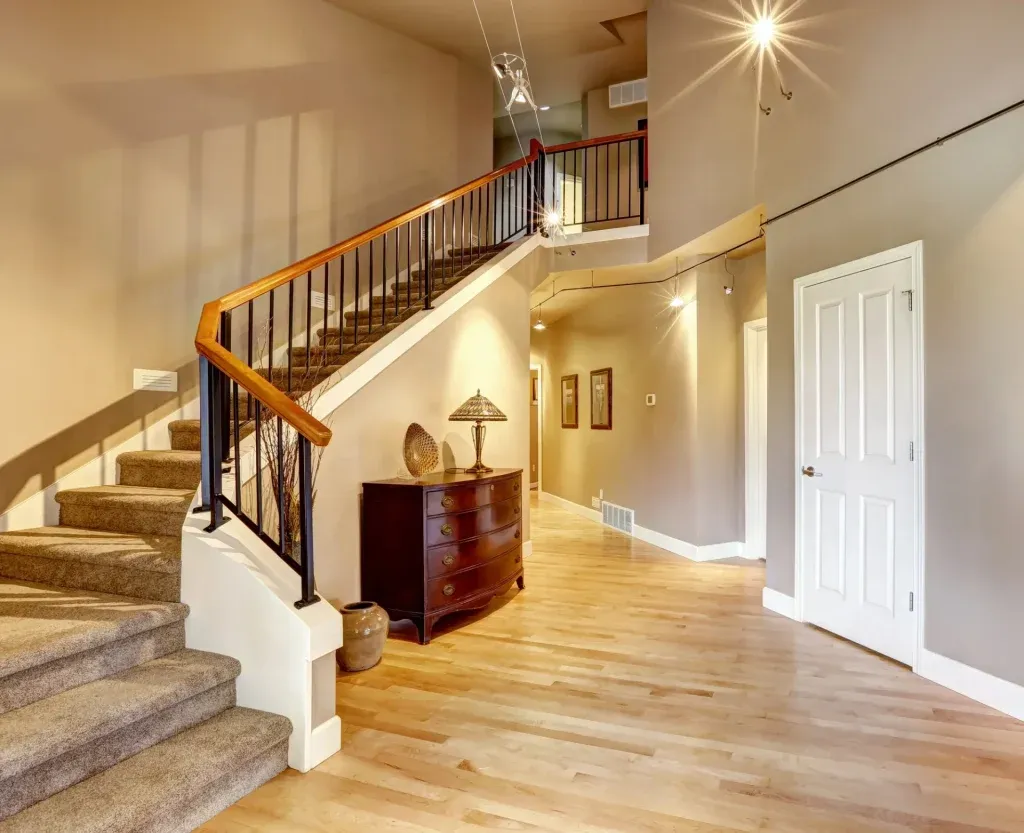
Staircases & Interior Structural Rebuilds
Railing upgrades, stair redesigns, interior load-bearing changes, and safety improvements.
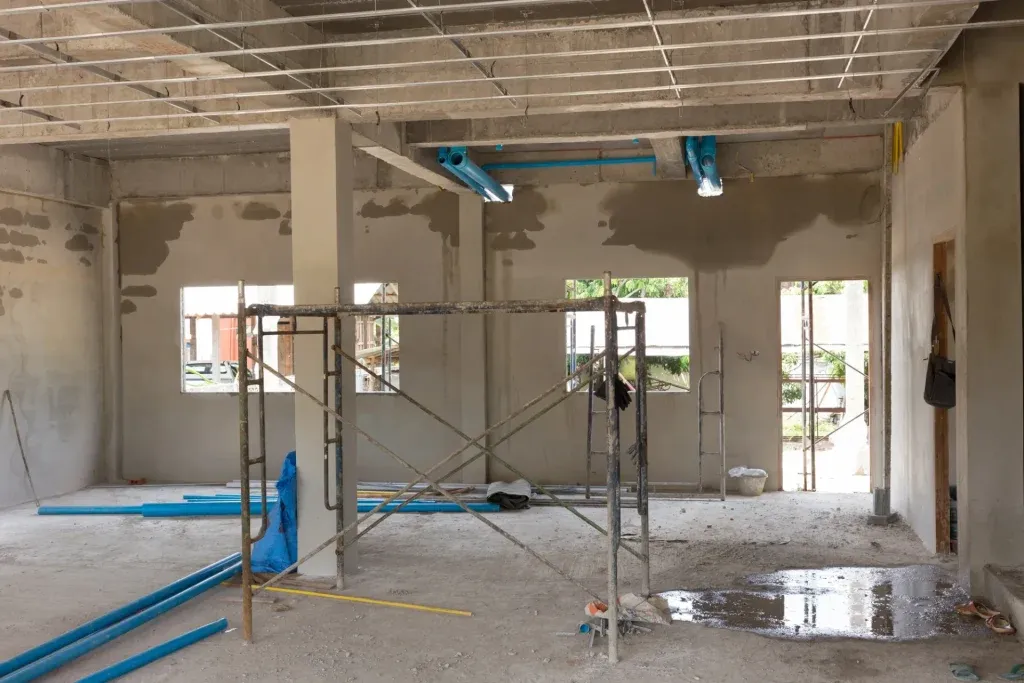
...and so much more!
Don’t see your project listed? That’s ok, contact Renomazing and let’s discuss your project and establish a plan to bring it to life!
A Streamlined Process for Any Interior Renovation
A Simple, Transparent Process From First Contact to Final Reveal
With 20+ years of interior renovation experience, we’ve created a streamlined process that keeps your project on track, minimizes stress, and ensures stunning results. You’ll always know what’s happening, what comes next, and how your new kitchen is progressing.

1.
Space Assessment & Consultation
We evaluate your interior space, usage needs, structural considerations, and budget goals.
- On-site measurement & inspection
- Functional needs assessment
- Budget alignment & feasibility review
- Initial concept discussion
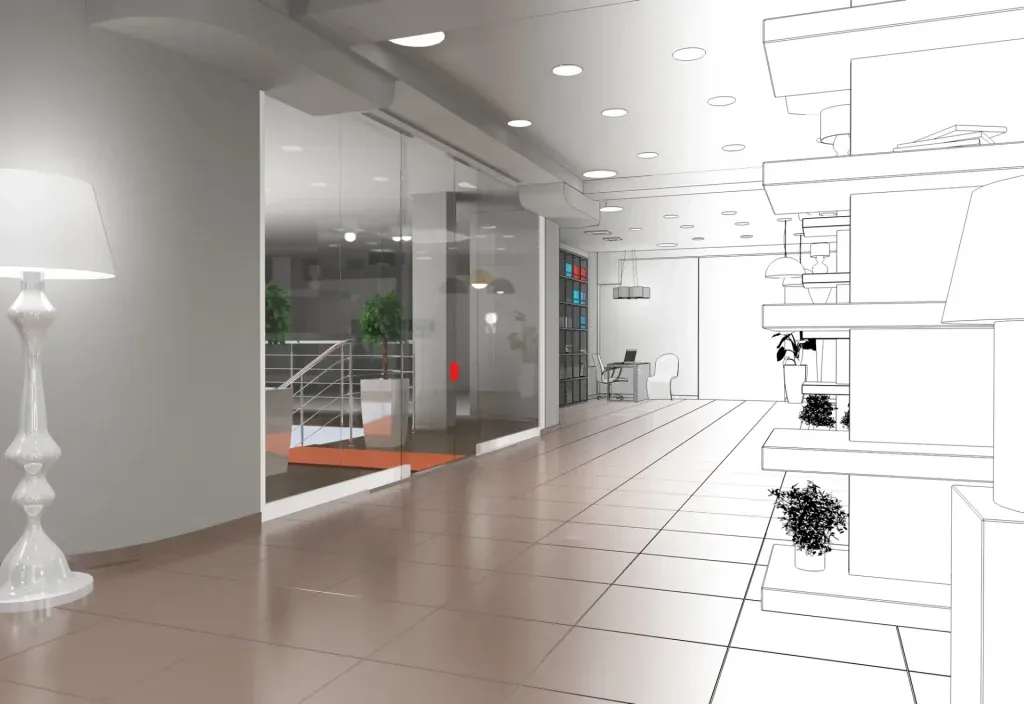
2.
Design, Layout & Finish Planning
We develop layouts, material selections, and functional solutions based on how the space will be used.
- Layout optimization & traffic flow
- Finish & material selection
- Storage & functionality planning
- Design concept refinement

3.
Permits, Scheduling & Pre-Construction
We handle approvals, material sourcing, and organize all trades and timelines.
- Permit & inspection coordination
- Trade scheduling & sequencing
- Material ordering & logistics
- Site preparation & protection
4.
Construction & Installation
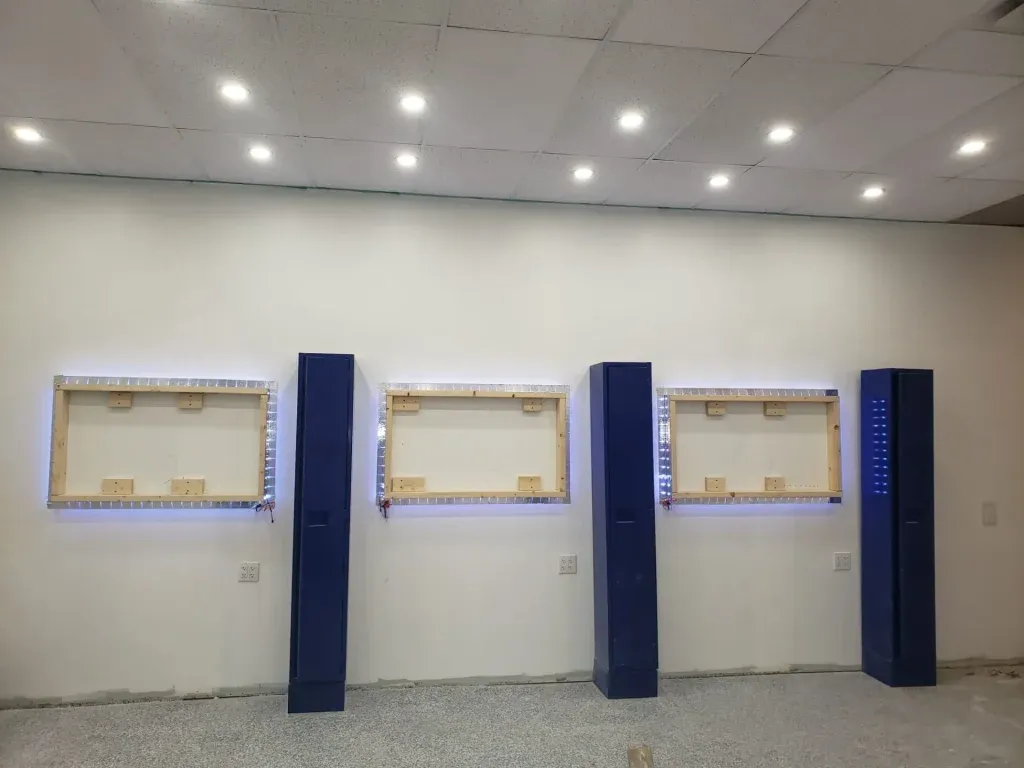
Demolition, framing, electrical, drywall, flooring, finishes, and custom builds are completed by licensed professionals.
- Demolition & structural prep
- Mechanical & electrical work
- Drywall, flooring & finish carpentry
- Cabinetry, trim & custom features
5.
Final Walkthrough & Completion
We review every detail with you and finalize the space for immediate use.
- Detailed quality inspection
- Final adjustments & touch-ups
- Cleanup & jobsite clearing
- Project close-out & handover
Renomazing can bring your renovation ideas to life.
Request your free quote today to begin the journey.
Miscellaneous and Interior Remodelling FAQs
What’s the difference between a remodel and a renovation?
The difference between a renovation and a remodel comes down to what you’re changing. A renovation focuses on restoring or updating an existing space without changing its structure or purpose — such as replacing flooring, upgrading finishes, or refreshing walls and lighting. A remodel, on the other hand, involves altering the structure, layout, or function of a space. This may include removing walls, reconfiguring rooms, changing plumbing locations, or converting a garage into a living area. Renovations are typically more cost-effective and faster to complete, while remodels are more complex and require permits and structural planning. Both add value when done properly — the right choice depends on whether your space simply needs an update or a complete transformation.
What is the cheapest room to renovate?
The cheapest room to renovate is usually a bedroom, office, or living room, because these spaces typically do not require plumbing or heavy mechanical work. Updates such as new flooring, paint, lighting, trim, and built-in storage can dramatically improve the look and function of these rooms at a relatively lower cost. In contrast, kitchens, bathrooms, and laundry rooms are more expensive due to plumbing, waterproofing, and electrical requirements. Keeping structural walls in place and choosing mid-range finishes can further reduce renovation costs. While low-budget renovations can still deliver strong visual impact, it’s important to focus on quality workmanship to ensure durability and long-term value — especially in high-use areas.
What are the three types of renovations?
The three main types of renovation are cosmetic, structural, and functional renovations. Cosmetic renovations focus on surface-level upgrades such as flooring, paint, lighting, trim, and finishes. These are the least invasive and most budget-friendly. Structural renovations involve changes to walls, load-bearing elements, stairs, windows, or room layouts and usually require permits and engineering. Functional renovations aim to improve how a space is used — for example, adding storage, improving layouts, increasing accessibility, or converting underused areas like garages or unfinished rooms. Many projects include a combination of all three. Understanding which category your project falls into helps determine budget expectations, timelines, and the level of professional planning required.
What adds the most value in a renovation?
Renovations that add the most value focus on livable space, functionality, and long-term durability. Projects that improve daily usability — such as modernized living areas, improved layouts, added storage, home offices, legal bedrooms, or secondary suites — often generate the strongest return. Quality flooring, energy-efficient lighting, upgraded insulation, and well-designed built-ins also contribute to overall home value. Structural improvements and code-compliant upgrades protect your investment and appeal to future buyers. While trendy finishes can boost appeal, lasting value comes from renovations that improve how the space works, not just how it looks. The biggest returns typically come from projects that increase usable square footage or greatly enhance how existing space functions.
What should I renovate first? Do I need to follow a guideline?
What you should renovate first depends on safety, function, and long-term goals. Most professionals recommend starting with projects that address structural integrity, moisture issues, electrical safety, and insulation before focusing on cosmetic upgrades. After that, prioritize spaces that impact daily life the most, such as living areas, bedrooms, offices, and storage zones. If multiple renovations are planned, it’s best to follow a logical sequence — structural work first, then mechanical systems, followed by finishes. Budget, resale goals, and how long you plan to stay in your home should also guide your priorities. A professional consultation helps map out the right renovation strategy so projects are completed efficiently and without costly rework.