Edmonton is our home base. Our office is on 124 Street, our team lives here, and the majority of the renovation projects we’ve delivered over 20+ years have been in Edmonton and the surrounding communities — St. Albert, Sherwood Park, Spruce Grove, and Leduc.
So when it comes to what a bathroom renovation costs in this city, we’re not guessing. The numbers in this guide reflect what we see every day in Edmonton homes — from wartime bungalows in Ritchie and Bonnie Doon to newer builds in Windermere and Summerside.
A note on pricing: Every bathroom is different. The figures in this guide are general ranges based on typical Edmonton projects and are provided for planning purposes only — not as a quote or price commitment. Your actual cost will depend on the size of your space, the condition of existing systems, your material choices, and the complexity of the work involved. Contact us for a free, personalized estimate based on your specific project.
Table of Contents
ToggleWhat Edmonton Homeowners Are Spending on Bathroom Renovations in 2026
Based on the projects we work on across Edmonton, here are the general ranges most homeowners are investing in 2026:
- Cosmetic Refresh (paint, fixtures, flooring): $5,000 – $12,000
- Mid-Range Remodel (new tile, vanity, updated plumbing): $12,000 – $28,000
- Full Custom / Luxury Build: $28,000 – $55,000+
The average for a solid mid-range renovation — the kind that transforms a dated bathroom into a modern, functional space — typically lands between $15,000 and $22,000 in Edmonton. That’s in line with what other Alberta cities see, though Edmonton’s labour market can be slightly more competitive during slower economic periods.
The range is wide because every project is different. A straightforward vanity-and-tile swap in a small bathroom is a very different job than a full ensuite gut renovation with heated floors and a custom glass shower. That’s why we start every project with a detailed consultation — so you get real numbers based on your actual space, not averages from a website.
Where the Money Goes: Cost Breakdown by Component
Here’s a general breakdown of where your renovation dollars go in a typical Edmonton bathroom project:
| Component | Typical Range | What Drives It Higher |
|---|---|---|
| Demolition & Disposal | $500 – $2,500 | Full gut vs. selective demo; asbestos abatement in older homes |
| Plumbing | $1,200 – $7,000+ | Moving drain lines, adding fixtures, replacing old galvanized/poly-b pipes |
| Electrical | $600 – $4,500 | Panel upgrades, heated flooring circuits, GFCI compliance, exhaust fan wiring |
| Tile & Flooring | $800 – $8,000+ | Porcelain vs. marble; floor + walls vs. floor only; complex patterns |
| Vanity & Countertop | $500 – $6,000+ | Prefab stock vs. custom build; laminate vs. quartz vs. stone |
| Fixtures & Hardware | $600 – $8,000+ | Standard vs. premium brands (Kohler, Grohe); freestanding tub; steam shower |
| Waterproofing | $300 – $1,800 | Shower-only vs. full wet room; membrane system vs. paint-on |
| Paint, Trim & Finishing | $300 – $1,500 | Scope of finishing work; ceiling repair; trim replacement |
| Permits & Inspections | $150 – $800 | Scope of plumbing/electrical changes; City of Edmonton fee schedule |
| Typical Total Range | $5,000 – $55,000+ | Depends on scope, size, condition, and selections |
* Ranges reflect general Edmonton market pricing as of early 2026 and are for planning purposes only. These figures are not a quote. Contact us for a personalized estimate based on your specific project.
Notice that the table includes a «What Drives It Higher» column — because a $1,200 plumbing job and a $7,000 plumbing job are fundamentally different projects, and understanding why costs vary matters more than knowing the average.
Want to Know What Your Specific Bathroom Will Cost?
Every space is different. We’ll assess yours, talk through your goals, and provide a detailed quote — no guesswork, no obligation.
Costs by Bathroom Type
The type of bathroom you’re renovating has a major impact on cost. Here’s what we typically see across different bathroom types in Edmonton homes:
Powder Room / Half Bath
Usually the smallest and most affordable renovation — a toilet, vanity, mirror, and lighting in a compact space. Because there’s no shower or tub, plumbing work is minimal. A full powder room renovation typically runs $5,000–$12,000 depending on finishes.
Main / Hall Bathroom
The workhorse bathroom that the whole household shares. These usually include a tub/shower combo, vanity, toilet, and storage. A mid-range renovation of a standard hall bathroom typically falls in the $12,000–$22,000 range. Upgrading from a tub/shower combo to a standalone tiled shower increases cost but is one of the most popular changes we do.
Master Ensuite
Ensuites tend to be larger with higher expectations — double vanities, separate shower and tub, upgraded lighting. These projects generally start around $18,000–$25,000 for a solid mid-range remodel and can reach $35,000–$55,000+ for luxury builds with custom tile, heated floors, frameless glass, and premium fixtures.
Basement Bathroom
If rough-in plumbing is already in place, adding or renovating a basement bathroom is relatively straightforward and typically costs $10,000–$20,000. If there’s no existing rough-in and a sewage ejector pump or new drain lines are needed, costs increase. This often comes up when we’re doing full basement renovations that include adding a bathroom.
How Edmonton’s Housing Stock Affects Your Renovation Cost
One thing that makes Edmonton projects different from many other markets is the age and diversity of the housing stock. The neighbourhood your home is in — and the decade it was built — often has a bigger impact on cost than the finishes you choose.
Pre-1970s Homes (Ritchie, Bonnie Doon, Westmount, Garneau, Oliver)
These older homes often have galvanized steel or cast iron drain pipes, outdated electrical panels (60-amp service isn’t uncommon), plaster walls, and potentially asbestos in floor tiles or joint compound. Renovating a bathroom in a home this age frequently involves addressing these hidden infrastructure issues, which adds cost. Budget an extra 15–20% contingency for surprises behind the walls.
1970s–1990s Homes (Mill Woods, Castle Downs, Riverbend, Terwillegar)
Many homes from this era have polybutylene (poly-b) water supply lines, which are prone to failure and often flagged during home inspections. If your renovation involves opening walls, it’s a smart time to replace poly-b while everything is accessible. Electrical systems are generally adequate but may need GFCI upgrades in wet areas to meet current code.
2000s and Newer (Windermere, Summerside, Hawks Ridge, Griesbach)
Newer homes typically have modern systems that don’t need replacement, so renovations focus on finishes, layout improvements, and upgrades. Costs tend to be more predictable in these homes because there are fewer hidden issues. The main driver is the quality of materials and fixtures you choose.
Why the age of your home matters for your budget
The age of your home is one of the biggest variables in renovation cost — and it’s one that generic online cost guides completely ignore. When we do a pre-renovation assessment of your space, we evaluate the condition of plumbing, electrical, structure, and ventilation so your quote reflects what your project actually needs, not just what a new vanity and tile job costs in a vacuum.
Edmonton Permit Requirements for Bathroom Renovations
The City of Edmonton requires permits for any renovation work involving plumbing, electrical, or structural changes. Here’s how that applies to bathroom projects:
When You Need a Permit
- Building permit: Required when you’re altering the layout — moving walls, changing the bathroom footprint, or modifying structural elements.
- Plumbing permit: Required when adding, moving, or altering plumbing fixtures. Replacing a toilet or faucet in the same location typically does not require a permit. Moving a drain line or adding a shower where one didn’t exist does.
- Electrical permit: Required for new circuits, panel upgrades, or rewiring. Adding heated flooring, new lighting circuits, or upgrading to GFCI-protected outlets requires a permit.
When You Don’t
Cosmetic work — painting, replacing flooring over the existing subfloor, installing a new vanity in the same location, or swapping out fixtures without changing plumbing — generally does not require a permit in Edmonton.
What It Costs and How Long It Takes
Permit fees for bathroom renovations in Edmonton typically range from $150–$800 depending on scope. Processing times vary: simple plumbing or electrical permits are often approved within 1–2 weeks, while more complex projects involving building permits can take 3–6 weeks.
We handle all permit applications, documentation, and inspections as part of your project. You can learn more about Edmonton’s permit requirements on the City of Edmonton’s residential construction page.
Edmonton Labour Rates in 2026
Labour typically accounts for 40–60% of your total bathroom renovation cost. Here are the typical hourly ranges for the trades involved in an Edmonton bathroom project:
- General contractor / project management: $50–$85/hour
- Licensed plumber: $85–$145/hour
- Licensed electrician: $80–$125/hour
- Tile installer: $65–$110/hour
- Painter / finisher: $40–$70/hour
Edmonton’s labour rates can be slightly lower than Calgary’s during slower economic periods, but the difference is modest. What matters more than hourly rate is efficiency — an experienced team that coordinates trades well will finish faster with fewer callbacks, which saves money regardless of the hourly number.
At Renomazing, we coordinate all trades through our Edmonton team. One point of contact, one schedule, no gaps between trades waiting on each other. That’s where real cost efficiency comes from.
Costs That Catch Edmonton Homeowners Off Guard
Some of the most common surprises we uncover during Edmonton bathroom renovations:
- Mould behind tile and under flooring: Common in bathrooms with poor ventilation or past water intrusion. Remediation can range from minor cleanup to several thousand dollars depending on extent.
- Polybutylene (poly-b) pipes: Widespread in 1970s–1990s Edmonton homes. If we’re opening walls anyway, replacing poly-b lines is strongly recommended — it’s far cheaper to do during a renovation than as an emergency repair later.
- Undersized electrical service: Older homes with 60-amp panels can’t support modern bathroom demands (heated floors, high-draw exhaust fans). A panel upgrade adds cost but is sometimes necessary for code compliance.
- Subfloor damage: Water damage around toilets and tub bases often isn’t visible until the old flooring is removed. Replacing damaged subfloor is essential before new flooring goes down.
- Asbestos-containing materials: Found in some pre-1990 Edmonton homes in vinyl floor tiles, joint compound, or pipe insulation. Professional testing and abatement are required by Alberta law.
- Inadequate ventilation: Many older Edmonton bathrooms don’t have adequate exhaust fans — or any at all. Proper ventilation isn’t optional; it prevents moisture damage to your new finishes and protects your home’s structure.
Our approach: We conduct a thorough assessment before quoting so that as many of these issues as possible are identified upfront rather than discovered mid-project. We also recommend a contingency of 10–15% of your total budget — or 15–20% if your home was built before 1980.
How Long Does a Bathroom Renovation Take in Edmonton?
Timelines depend on scope, but here’s what you can generally expect:
| Project Type | Typical Duration | Key Variables |
|---|---|---|
| Cosmetic refresh (paint, fixtures, flooring) | 1 – 2 weeks | Material availability; number of fixtures being changed |
| Mid-range remodel (tile, vanity, plumbing updates) | 2 – 3 weeks | Tile scope; whether plumbing is being moved; permit inspections |
| Full custom / luxury build | 3 – 5 weeks | Custom orders; complexity of tile design; number of trades involved |
| Adding a new basement bathroom | 3 – 4 weeks | Whether rough-in plumbing exists; concrete cutting for drains |
*Timelines represent active construction time. Permit approval (1–6 weeks) and material ordering (1–4 weeks) are in addition to these estimates.
One thing worth noting: Edmonton’s climate means renovations during winter months are completely normal — bathrooms are interior spaces, so weather doesn’t affect the work itself. What can shift slightly is trade availability around the holidays and material delivery times during peak construction season (May–September).
We provide a clear project timeline before work begins so you know exactly when each phase will happen and when your bathroom will be ready.
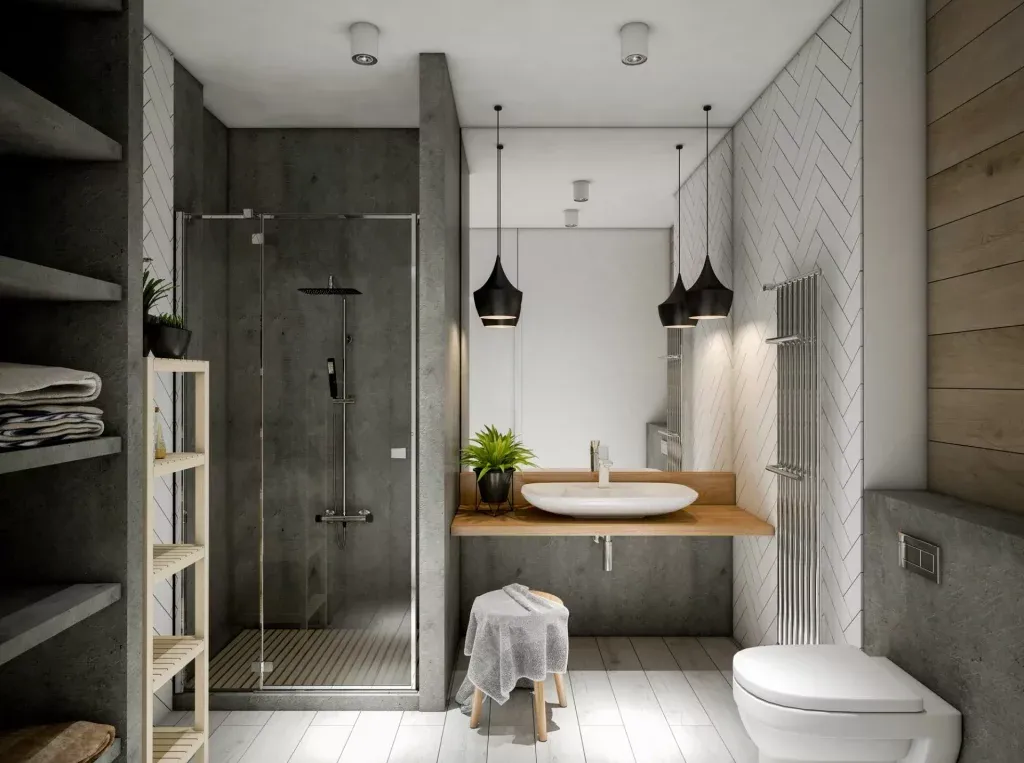
Is a Bathroom Renovation Worth It in Edmonton?
For most homeowners, absolutely. A well-done mid-range bathroom renovation typically recoups 60–70% of its cost at resale — and in Edmonton, updated bathrooms are especially impactful because so much of the city’s housing stock was built in the 1960s–1990s with bathrooms that haven’t been touched since.
Buyers in Edmonton expect modern, functional bathrooms. A dated bathroom with pink tile and a worn-out tub/shower combo will cost you during negotiations. A clean, bright, professionally renovated bathroom removes a major objection and can be the difference between a quick sale and one that lingers.
Beyond resale, the daily comfort argument speaks for itself. You use your bathroom every single day — it’s one of the most impactful spaces to invest in.
Want to see what that investment looks like in practice? Browse our recent renovation projects across Edmonton and Calgary.
Practical Ways to Manage Your Bathroom Renovation Budget
- Keep the existing layout wherever possible. The moment you move a toilet, shower, or sink to a new location, plumbing costs increase substantially. If your current layout works well, invest in finishes instead.
- Focus your spending on the shower area. It’s the visual centrepiece of most bathrooms. Quality tile and a well-built shower enclosure make the biggest impression per dollar.
- Don’t cheap out on waterproofing. A proper waterproofing membrane costs relatively little but prevents thousands in future damage. This is one area where we never recommend cutting back.
- Choose materials strategically. Large-format porcelain tile looks premium and installs faster (fewer grout lines = lower labour). Quartz countertops are more durable and lower-maintenance than marble at a lower price point.
- Address infrastructure while the walls are open. If you’re gutting the bathroom anyway, replacing old plumbing, upgrading electrical, or improving insulation costs a fraction of what it would as a standalone job later.
- Bundle projects for better pricing. If you’re also considering a kitchen renovation or basement development, doing them together reduces mobilization costs and can improve overall pricing.
- Use financing to invest in quality. Flexible financing means you don’t have to compromise on materials or workmanship to fit a tight upfront budget.
Let’s Talk About Your Bathroom
You’ve got the numbers. Now let’s get specific. Tell us about your space, and we’ll provide a detailed, no-obligation quote — what your renovation will include, what it will cost, and when it will be done. Straight answers from a team that’s been doing this in Edmonton for over 20 years.
Prefer to call? Reach us today at 1 (833) 662-9464.
Planning a Bigger Project?
Check out our other cost guides:
- Bathroom Renovation Cost Calgary — 2026 Pricing Guide
- Kitchen Renovation Cost Calgary — 2026 Pricing
- Basement Renovation Cost — Real Numbers & Zero Surprises
Renovating multiple rooms? Contact us about combined project pricing.